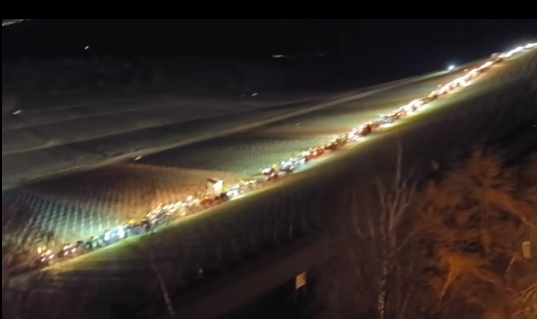
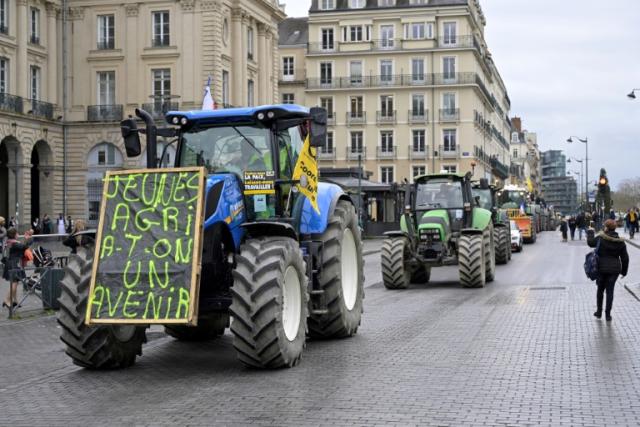
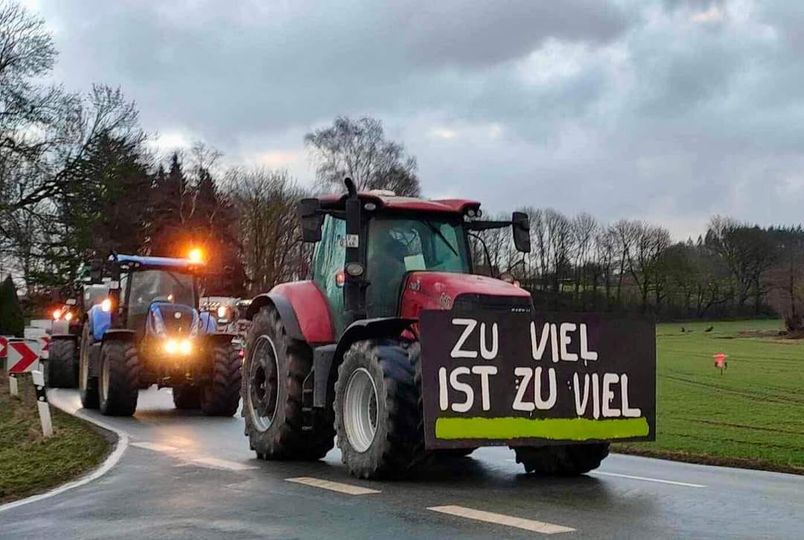
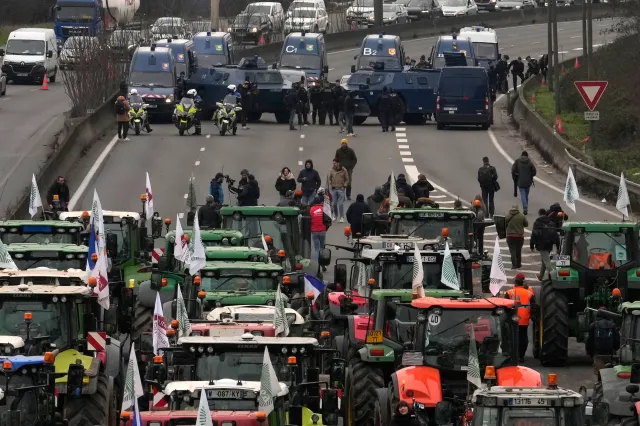
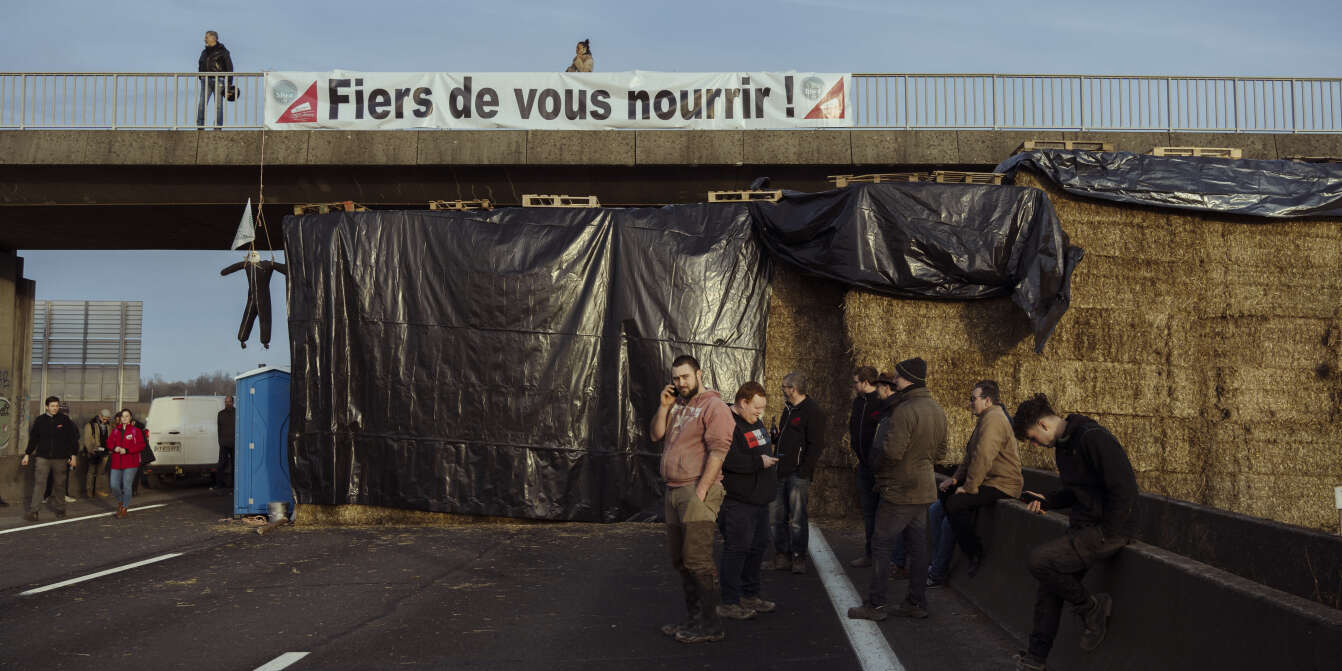
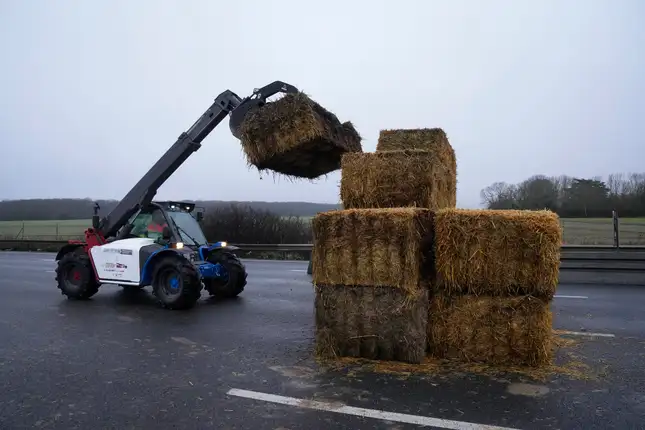
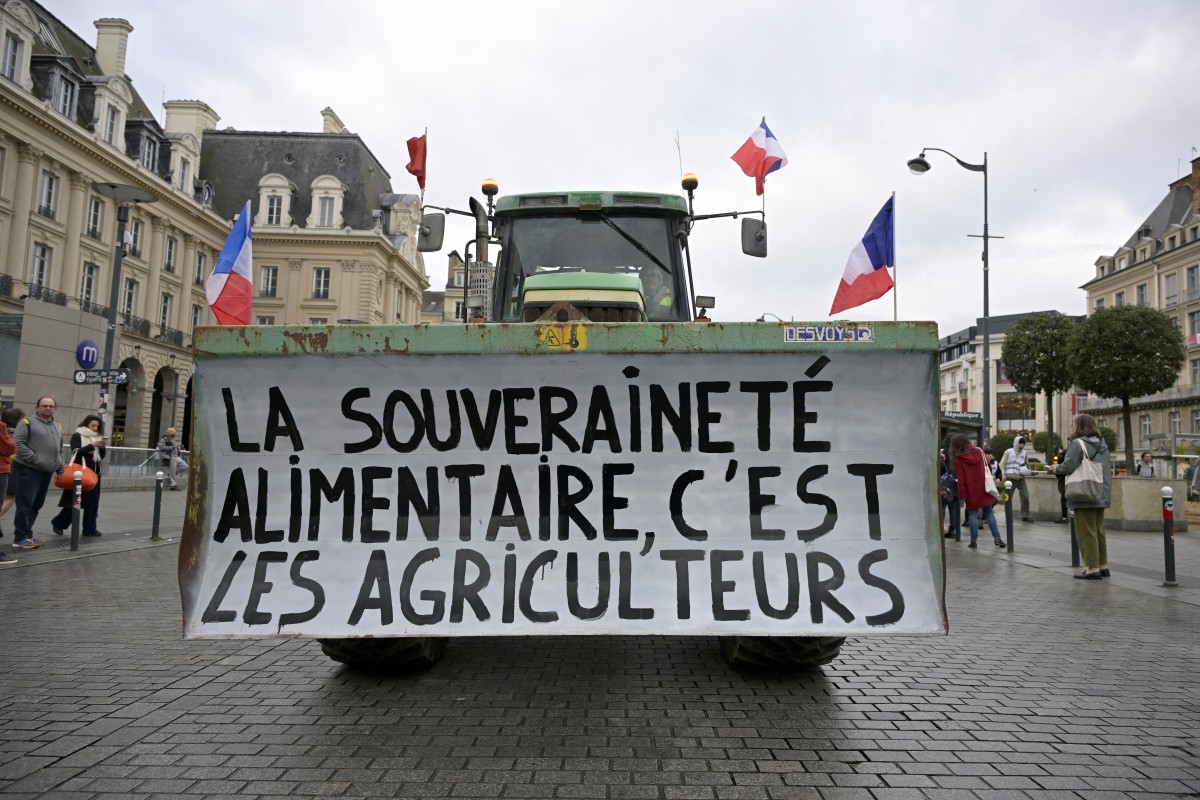
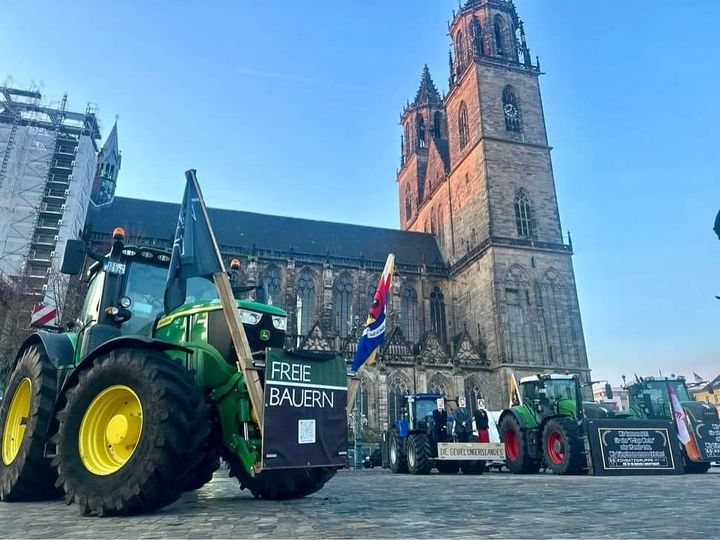
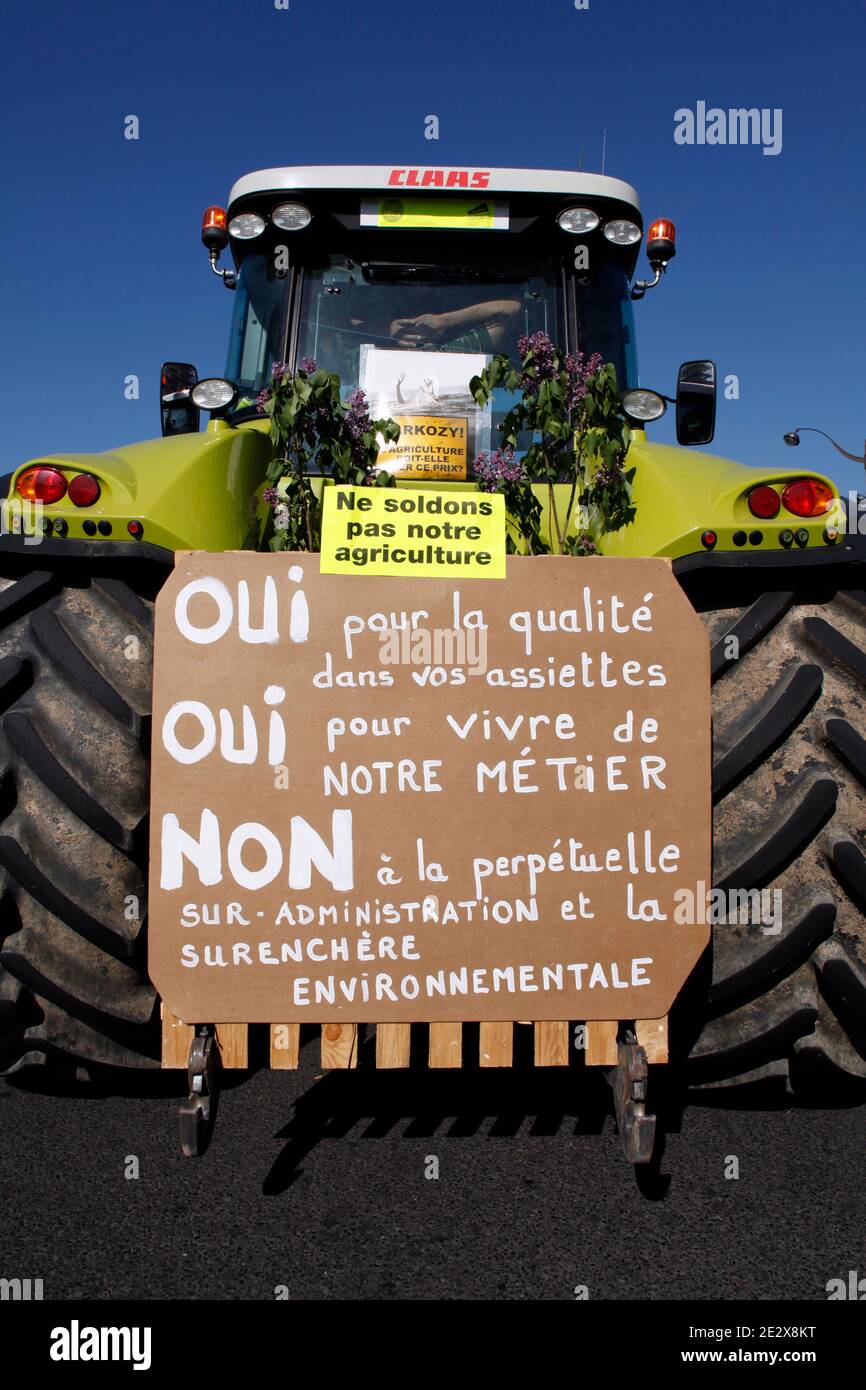
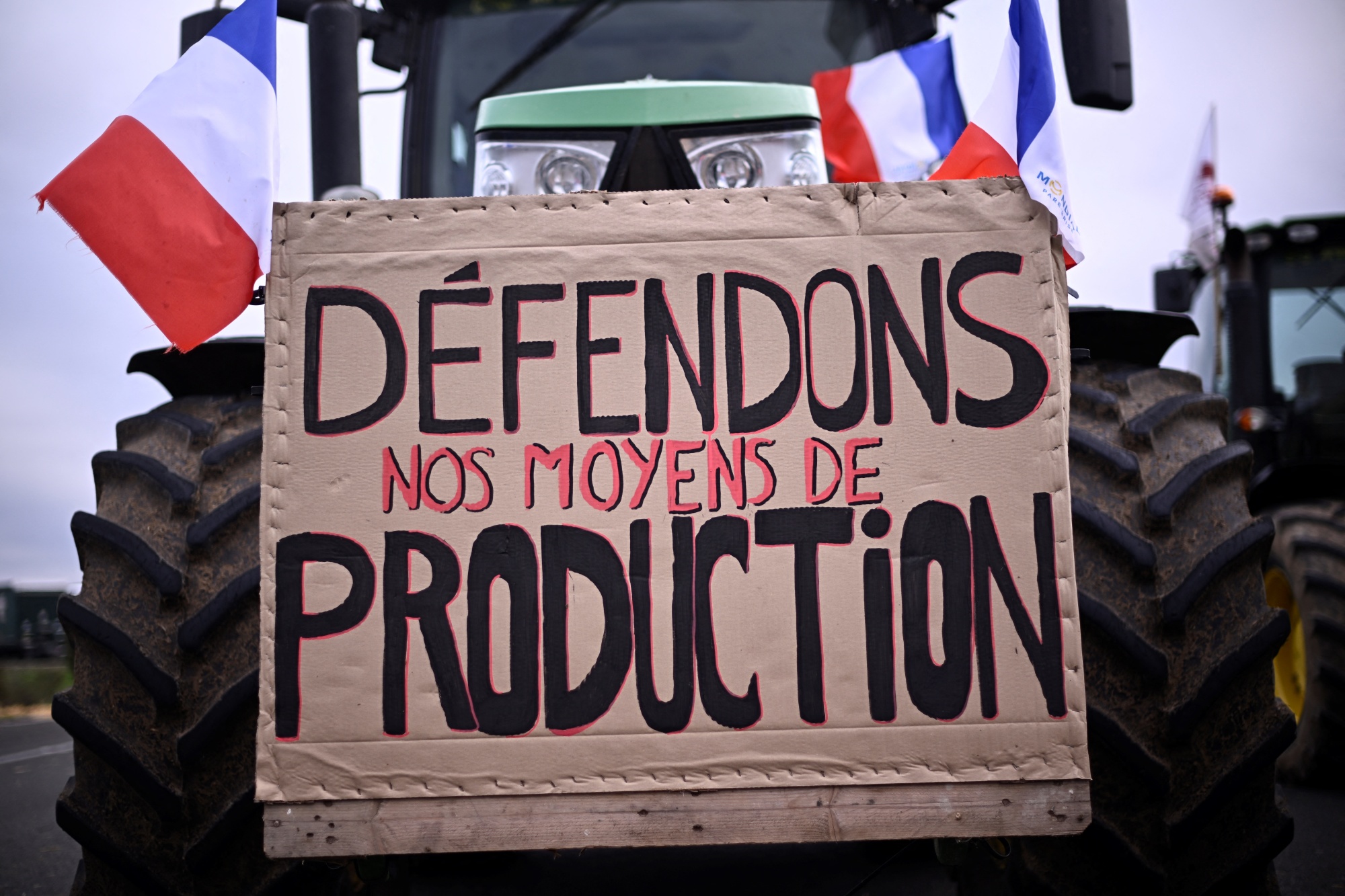
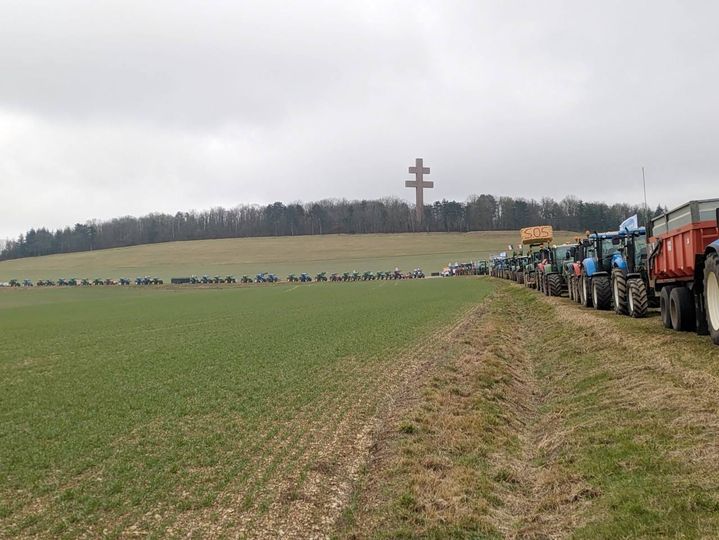
Since 20 January farmers here in France and in 12 of the 25 countries of the European Union are in action, using tractors, earth, manure, and straw to blockade government offices, supermarkets and distributors, highways, airports (including Frankfurt), borders (including the Dutch/Belgian border in a collaborative action between the two countries’ farmers).
I asked Arnaud Broquere, a lifetime farmer, to explain the French farmers protests.
The purpose of impressive disruptions
The actions began here in the Haute Garonne, directly by farmers. They were ahead of the syndicats (unions). Then the syndicats joined.
The protests are an expression of the power of farmers. They are showing their power in order to reinforce their demands. This demonstration of power is a threat in the context of two upcoming events. At the end of February is the Salon International de l’Agriculture in Paris. This offers an opportunity to embarrass and assault the French government ministers if they have not yet conceded to the demands of farmers. Coming 6-9.June are the elections to the EU Parliament, in which all EU citizens vote. The French farmers threaten to vote for the far right candidate. This is not only a threat to displace the current elected officials and their ministers. It is also a threat against the EU, because the French right wing party will not support Ukraine, and this may make Europe vulnerable to further aggression by Russia.
The demands of the farmers
The farmers have three grievances:
- Fuel: French farmers have benefited from exemption of taxes on diesel, which they use for tractors and home heating. The end of this exemption will raise their costs of business and life, so they demand a continuance of the exemption.
- Paperwork: The EU has a unified policy for financial support to farmers. To qualify for this support, farmers must meet strict guidelines, for protection of the land against erosion, for treatment of animals, and for ecological protection. While the rules are EU-wide, the implementation is done by each nation. In France the documentation requirements are extremely complex and difficult, so the farmers demand a simplification of the paperwork.
- Competition: Although some agricultural policies are EU-wide, member nations also have their own independent laws about which agricultural chemicals can be used, about the quality of products, etc. But because of the free-trade scheme within the EU, member nations currently allow imports of foreign products that do not meet national laws. When imports have been produced under less-strict regulation, they are often cheaper, undercutting domestic products. Arnaud gave two examples: Spanish milk does not meet the quality regulations of French milk, but it can still be imported, undercutting the price of French milk producers. Belgium permits the use of an agricultural chemical in beet production, which France views as unsafe. Growing beets without this chemical is more difficult, with a lower yield and consequent higher price for safety and quality. Yet Belgian beets can be imported, undercutting the sale of French beets. French farmers demand that the government either: block the import of products that do not meet French standards OR reduce French standards to meet foreign standards. (Another way such difference was addressed in the past was to add a tariff to foreign products to make sure that their price could never undercut domestic producers. Such tariffs are generally eliminated by free trade regimes, which is one aspect of the European Union.
These three grievances all directly affect the financial viability of large and small farms, which is why farmers are presenting these problems as of concern to the whole citizenry of the EU who is concerned for quality food.
By putting pressure on French legislators, the farmers intend to put pressure on EU policy.
In a second phase of the protests, farmers have now moved their blockades to the largest retailers and distributors who are the actors responsible for the decisions to buy cheaper foreign imports rather than domestic products. Low prices for customers are offered at the cost of farmers’ income and livelihood. But the real motivation of distributors and retailers to seek lower cost agricultural products is to increase the profit margin.
In some places, farmers are also blockading media headquarters to pressure for more accurate coverage of their purposes.
To see evidence of the protests across Europe, visit this page.