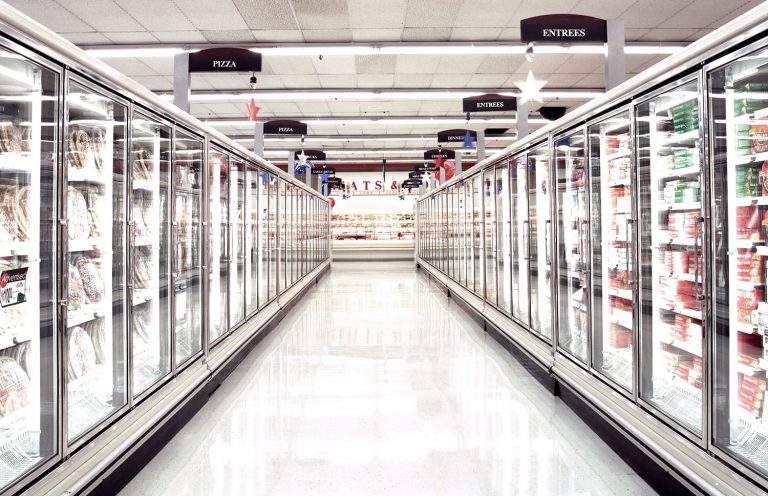
Supermarkets are machines to betray farmers, consumers, and ecology.
Farmers need reliable sales at the highest possible prices. Supermarkets buy whatever they can find at the cheapest possible price. This means they will buy foreign products before domestic ones if the price is lower. They also prefer large producers to avoid dealing with multiple suppliers to achieve the quantity they want to offer. This excludes smaller scale (often higher-quality) producers.
The result of these purchasing decisions is to make small domestic farms financially unviable, eliminating domestic food security. Large monocrop farms are specialized and fragile systems, not easily redeployed in changing ecological and economic conditions.

To maintain the illusion of cheapness and to ensure that their margins are high, supermarkets prefer low quality inexpensive products. They pressure producers to reduce quality to reduce price.
Cheap products rely on cheap ingredients, with less nutritional value and less flavor. Large producers choose plant and animal varieties based on characteristics of rapid growth, standardization, and shelf life, not for flavor. And they produce meat and produce under unhealthy and unethical conditions that damage the ecology and put consumers at risk.
Consumers also suffer from the promotion of unhealthy processed foods, which are sold at seductively cheap prices and expertly engineered to have addictive tastiness. The Supermarket system collaborates with food engineering to create artificially seductive tastes where flavor no longer comes from the plant or animal variety, soil and feed quality, and terroir. These highly manipulated “processed” foods also produce massive food waste and extra use of water.
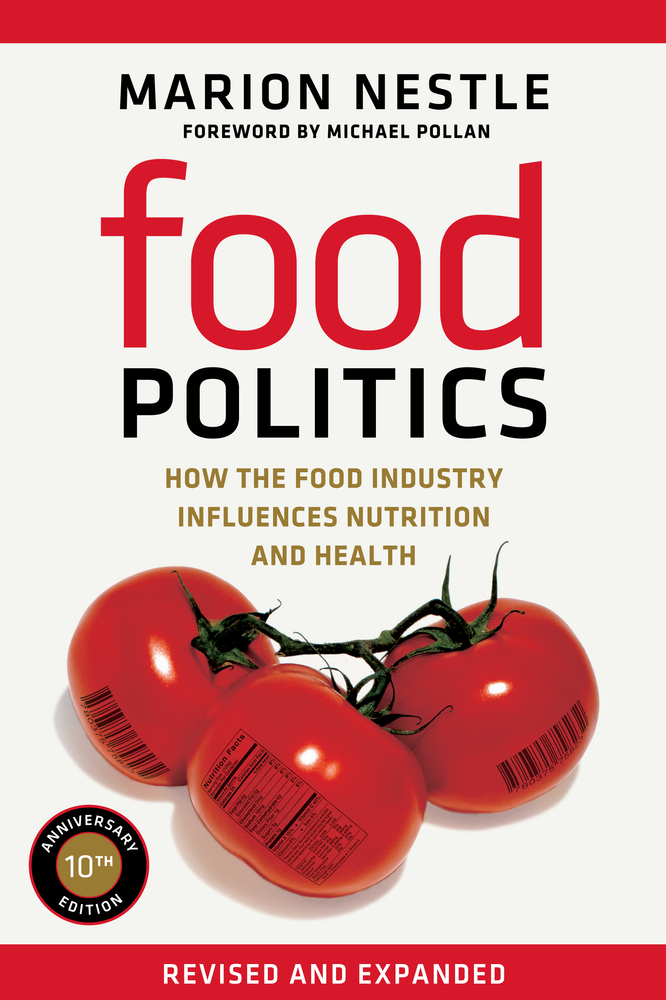
Supermarkets use every trick of information to deceive customers, from packaging design to artificial colors to the use of appealing unregulated terms like ‘natural’ and ‘artisan’ to downplay or obscure information about foreign origins, low-quality ingredients, and additives.
Supermarkets and their vertically-integrated or contracted suppliers systematically degrade the ecosystem by externalizing costs. “Efficiencies of scale” like centralized warehouses and excessive shipping rely on subsidized roads, fuel, and utilities, and uncosted pollution of air and water.
The jobs produced by this system are not good jobs. They are in terrible environments, offer little possibility for gastronomic learning or advancement, and are deskilled and low paid.
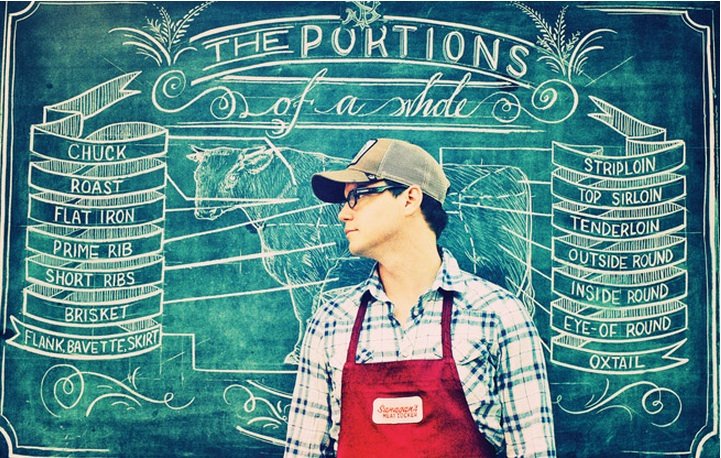
Supermarkets have systematically destroyed their competitors and skilled industries like baking and butchery, as well as the opportunities for entrepreneurship and distribution of ownership and wealth generation.
The loss of small local shops and all the related industries (lawyers, accountants, builders..) has wrecked the wealth of communities.
While shopping and consumption are in some sense the reward for our labor, offering an opportunity to develop and enjoy personal taste, supermarkets and other superstores actually dominate us as consumers, reducing the diversity of shops, eliminating competition, offering choices not for our taste and safety concerns but for their sourcing and pricing priorities, manipulating us with sales, depriving us of skilled salesmen and shopping ambiance.
They also create a sense of entitlement to affordability of items which should be seen as occasional luxuries. By producing meat and procuring fish in unethical circumstances supermarkets sell these and many other items at less than their true cost. “Low prices” require that something must be eliminated: wages, animal husbandry, labor time, care for the soil, natural variation, verification of authenticity and safety.
And given the ever-lower quality of the goods on offer, they are actually overpriced.
Criminal Violence against Farmers and the Ecosystem and Negligence of Consumer Health
Along with prosecuting criminal corporations and revoking their charters, we need accelerate alternatives, facilitate innovation and experiments, and take over
workplaces for better projects.
Action for Alternative Systems
1. Remove your money from Supermarkets
It doesn’t matter if you don’t buy meat in supermarkets or if you do buy “regional” or organic/bio products there. The money goes to the same place: Supermarkets are machines to betray producers, consumers, and ecology. If this is new to you, read Joanna Blythman, Shopped (Fourth Estate, 2004).
There is nothing good about “cheap” food. Save your money on some other part of your life than on the nutrition which forms the cells of your body and its energy. Food should be nourishing and delicious. To ensure that our food has these two qualities, we need to concern ourselves with the context of everything we eat. We need to question whether convenience and cheapness should be factors in our food decisions.
Supermarkets take advantage of situations at many points in the journey of life. By abandoning this model we can rebuild a healthy food system from farm to plate.
Farming is hard and necessary work which is crucial to the health of our ecology. Shouldn’t we be finding ways to pay farmers more, rather than less? Supermarkets’ seductive promise of “cheapness” is a powerful force in the wrong direction.
2. Take an interest in Food Context
Food should be nourishing and delicious and shopping should be as pleasurable as eating.
To ensure that our food has these two qualities, we need to concern ourselves with the context of everything we eat.
We need to question whether convenience and efficiency are serving nutrition, food security, and pleasure.
We need to understand the foodscape that we live in. Where did it come from? What were the conditions of production? Through what conditions and transactions did it make its way here?
Farms with mixed animal systems, provide ecological work and secure intergenerational expertise.
3. Buy Direct
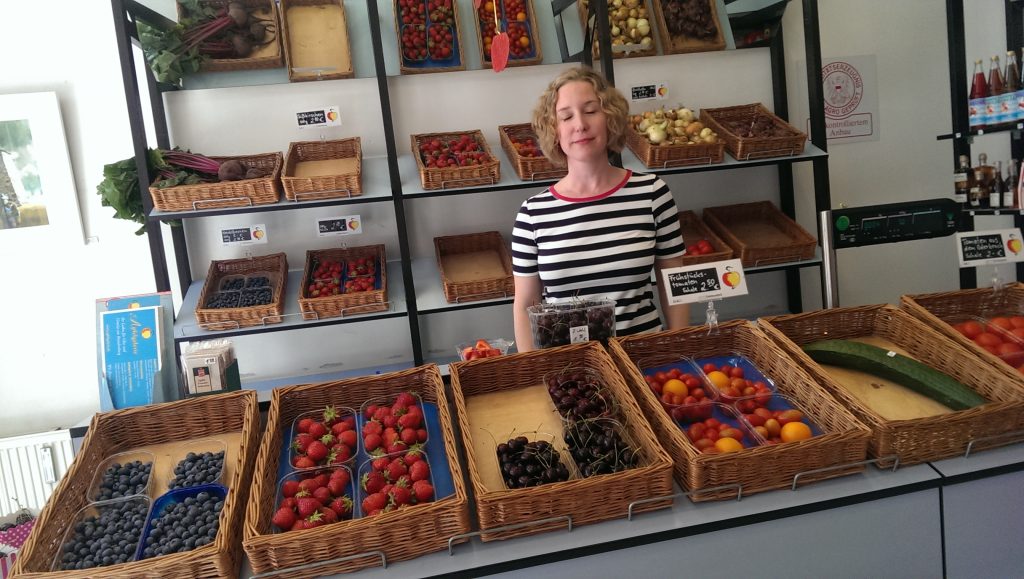
What farmers need most is direct sales, so they don’t give any part of the price to middlemen and retailers.
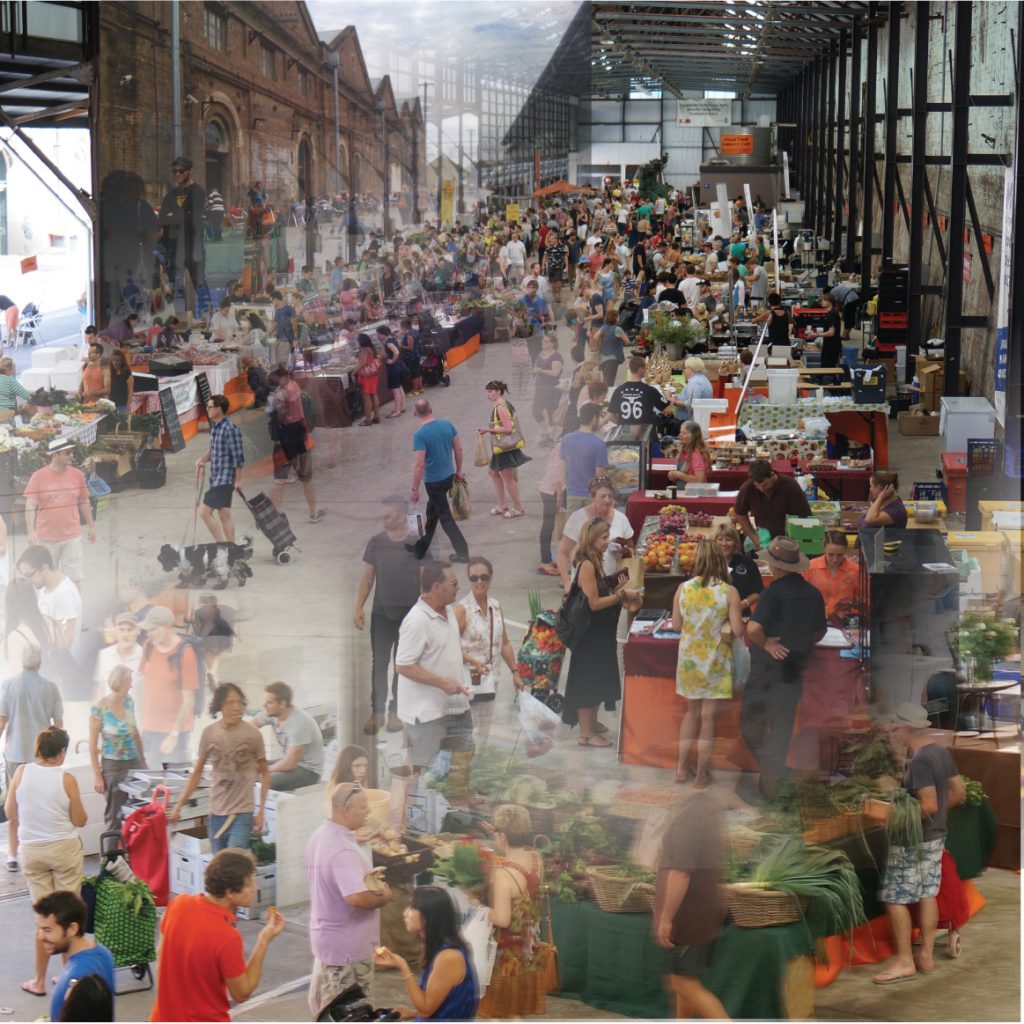
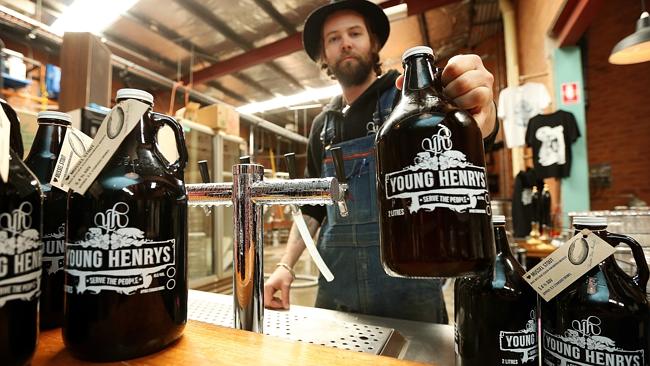
Aim to spend an increasing amount of your food budget directly with local producers. Find out about farms, farmers markets, cheesemakers, brewers and distillers in your area.
- Farmers’ markets (in Europe markets are unregulated so we have to be sure that we are actually buying from a farmer and not a reseller)
- Community Supported Agriculture Boxes
- Food Assemblies
Middlemen take most of the price we pay, and this is why we need to buy directly from farmers and producers as much as possible. When that’s not possible, look for a middleman that has some ethics.
- Food Hubs are ethical and transparent middlemen who support farmers with transportation while ensuring they get the best possible price and credit for their work (keeping the farm’s name on the product all the way to the table).
- Fair Trade is a system for returning better prices to third world farmers for cocoa, coffee, bananas, and other luxury crops. You can find fair trade products by their labeling scheme.
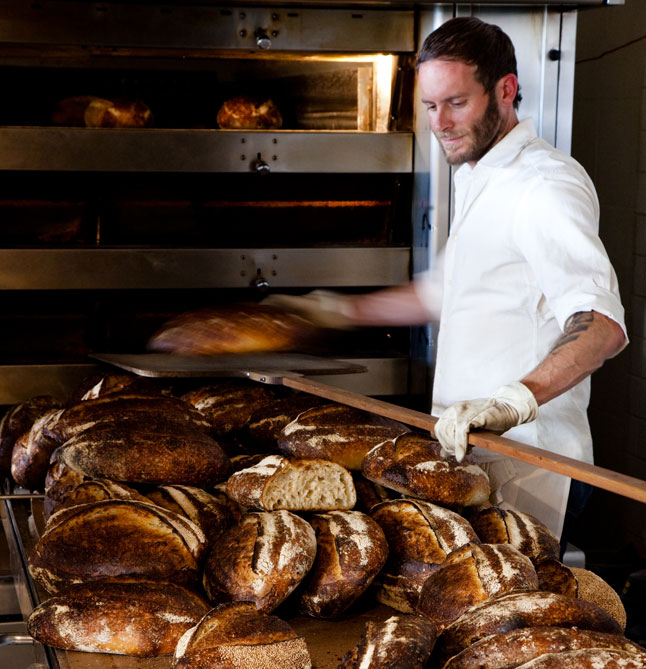
- Local Retailers. A new wave of local butcher shops and boutique food retailers are committed providing high quality and supporting their farmers and providers. These retailers also seek to provide better jobs to their workers and better service to their customers through gastronomic education of the retail staff, who serve as storytellers and educators.
- Another important type of middleman is the food incubator which supports new food entrepreneurs to get started with value-added products.
4. Eat Regional Foods
Buying direct from local farms means eating what can be produced here (wherever you are) in a sustainable way. We all have ideas about which foods we like and tend to eat. As you make friends with local farmers, you may think “but they don’t have what I like.” So try what they have.
If you live in Europe or North America, that means stone fruits and berries in summer and apples and pears the rest of the year. Look for farmers growing heirloom (alte sorte) varieties to explore the diversity of taste in each fruit.
You will find that the freshness and quality of local produce is a dramatic improvement in the intensity of taste compared with produce that have been picked before it was ripe and carried in cold storage for weeks or months.
Eating regionally also means developing a new relationship to cooking than getting a recipe and trotting off to the supermarket to buy 10 items that you have no idea where (or when) they were grown. Cooking becomes driven by ingredients that are available and in season, and recipes may involve far fewer ingredients and far more improvisation.
I had never really considered eating sausages, but once a week a super-ethical farm set up a stand walking distance from my house. They sold sausages made from wild pigs and deer. I tried and realized that these delicious, ecological sausages were a super-convenient and affordable protein. I could freeze them, bake them for no-smell cooking, and add to salads for a rich and healthy meal.
Analyze your diet and your foodshed. Generally there is a very local source of protein. Animals and eggs don’t suffer from seasonality. If you’re concerned about cattle impacts on the environment, learn which meat is most eco-friendly in your region (in Australia, that’s kangaroo). Hawai’i can’t sustain a lot of animals other than chickens and produces no legumes (beans), so while I was there my main protein was eggs.
Most carbohydrates require fairly large fields, so these often come from a bit further away, but you can still choose something regional. In Berlin I found a farmer selling gerste (barley), an ancient and regional grain. I switched from Peruvian quinoa. Here in West Germany a nearby farm grows and mills their own rye and emmer (ancient wheat).
Of course we all love the foods of imperialism: chocolate, coffee, bananas, coconuts, mangos, avocadoes … but the systems which bring these to us remain depraved and destructive, so build yourself a superfood diet increasingly composed of heirloom varieties whose economic, ethical, and ecological impacts you can trace and verify without getting on an airplane.
Another way to explore regionality is to learn about edibles growing wild in your region, and help to create local gardens, plant fruit trees, and install beehives. These community resources improve quality of life, knowledge, and community food security.
5. Eat Seasonally
Notice that fresh tomatoes only taste good in the fall, when they are in season and can be purchased ripe. Stop wasting money on them the rest of the year. You’re paying for and eating your idea of a tomato, not something that actually has flavor and nutrition.
Berries may purportedly have a lot of anti-oxidents but if it’s not summertime, they were probably grown on another continent and have been in cold storage, and they are more a luxury commodity concept, not actually a superfood.
Kale is a superfood not only because of its nutritional benefits, but because it can be grown nearly year-round nearly everywhere and is easy on the soil and robust to pests and therefore a reliable crop for farmers.
Eating meat does not necessarily mean eating carbon-naughty cows. It means eating the animals that are part of your local farms or ecology.
We should eat meat in sync with its importance to sustainable farming systems in our region. Since different regions are at very different levels of transition to sustainability, this quantity will be different in different places. The short version is, if local farmers are selling meat, eat it.
It’s also important that we bring our meat consumption into sync with animals. Most of the animal is not steak or bird “white meat”. So those who eat meat more frequently should take more responsibility to eat around the whole animal. The easiest way to manage this is to let the butcher do it for you, which s/he does by making sausages.
You’ll also find that the new generation of young butchers do as much education on this point as they do knife work. They are teaching people what to do with the less popular –and more affordable– cuts of very delicious ethically raised animals whose steak you might not be able to afford.
6. Eat (Some) Meat
In the “hungry” springtime months when there are not a lot of fresh vegetables, learn about local edible weeds, such as dandelion (also growing almost everywhere) from which you can make healthy salads.
Instead of buying overpriced, tasteless vegetables in the winter, buy boxes of produce directly from farmers at the height of the season. Apples and pumpkins will last through the winter.
There are different “levels” of preserving food for winter. In my view the most advanced involves sterilizing and sealing glass jars so they can be stored at room temperature. One step short of that is making jam, tomato sauce etc, and freezing it. (Have a look at your freezer. Is it full of industrial products like frozen pizza and fish cutlets? Eat that up –or throw it out, it’s probably pretty old– and then refill it with summer and fall harvest favorites that will be treats through the winter.
This saving things for winter thing seems to be a lot of work. When I lived in Colorado, I started with just one product the first fall and then added another product each year. My favorite treat there was poblano/pasilla chili peppers. I bought a bushel and froze them whole raw. During the winter I roasted them over a gas flame.
In the “hungry” springtime months when there are not a lot of fresh vegetables, learn about local edible weeds, such as dandelion (also growing almost everywhere) from which you can make healthy salads.
Instead of buying overpriced, tasteless vegetables in the winter, buy boxes of produce directly from farmers at the height of the season. Apples and pumpkins will last through the winter.
There are different “levels” of preserving food for winter. In my view the most advanced involves sterilizing and sealing glass jars so they can be stored at room temperature. One step short of that is making jam, tomato sauce etc, and freezing it. (Have a look at your freezer. Is it full of industrial products like frozen pizza and fish cutlets? Eat that up –or throw it out, it’s probably pretty old– and then refill it with summer and fall harvest favorites that will be treats through the winter.
This saving things for winter thing seems to be a lot of work. When I lived in Colorado, I started with just one product the first fall and then added another product each year. My favorite treat there was poblano/pasilla chili peppers. I bought a bushel and froze them whole raw. During the winter I roasted them over a gas flame.
7. Understand the Cost comparison
Preparing to write this article, I did some research in the nearby regional chain supermarket. Having not been in a supermarket for several decades, at first even I was tempted by what seemed to be low prices. But when I compared the supermarket with the local farmers market, I found that even for those items that were more expensive, the price difference was less than I anticipated.
And the economic and ecological impacts are dramatically different!
Apples, very very delicious, grown by a local vineyard and orchardist for €1.60/kilo (2nd grade, slightly small but who cares?). Not more expensive than mealy industrial apples from the supermarket.
Potatoes, organic from a local farm, €5 for a 2.5 kilo bag, slightly more expensive than the supermarket but I will never miss that money when we’re talking about 3 weeks of potatoes.
Fresh goat cheese, €2.50/100g. A replacement for the industrial feta at the supermarket, which is actually not much cheaper €2.50/150g.
Walnuts from a vineyard, €4/kilo in the shell. Cheaper and much more authentic experience (and less packaging) than €2.50/200g at the supermarket.
A pork steak from a local farm, €2.50. Affordable, especially since I only eat meat once a week, and more importantly I wanted to eat this meat, while I was not attracted to anything I saw at the supermarket.
If you eat meat occasionally, you can afford good meat. If you need meat regularly, buy sausages or ground lamb or mixed ground beef and pork from an ethical good farm or butcher.
8. Understand the Benefits
- Direct purchasing is keeping intergenerational family farms on their land.
- It is building a green industry for a new generation of farmers committed to ecological principles.
- The small-farm industry makes rural communities viable.
- Small farms are not only more ecological, they are also more productive per hectare and more resilient to everything from pest infestations to market conditions. The larger and more specialized the farm, the more capital-intensive it is, the thinner its profit margins, the less it is adjustable, and the more brittle it is. Small diverse farms can change crops, redeploy assets and employees, and adjust to new market conditions. They also use far less water. (See Marty Strange, Family Farming, for a detailed comparison of industrial and family farms.)
- In Australia, where large-scale farms are failing, a farmer’s association has found that getting farmers into direct marketing reduces the suicide rate. “If they know the people they’re selling to, they can’t kill themselves.”
- Heirloom varieties and diverse farming practices are insurance against changing biological conditions which could decimate industrial monocrop systems.
- Although these effects are dramatic – and the loss of small farms is perilous, the benefits to eaters are even more powerful.
- Buying tomatoes from the people who grow them is another experience. Farmers are excited about varieties, the different flavors, textures, and culinary properties. They are excited when the weather cooperates for a good harvest. For €5, you take home a whole box of super ripe tomatoes to cook. The next year they can explain in great detail why the tomatoes are more expensive – because of a big rain at exactly the wrong time, a bad bug, or a root disease.
- Buying your food from people you know personally and see weekly is another experience. It transforms you the eater from a statistical buyer of global economies to a participant in a life-affirming, community-affirming, values-affirming exchange.
- When we buy direct, we get to have relationships, not just food. When we learn about our region and our farms, we get to have meaning, not just dinner. When we eat seasonally, we experience ourselves as part of an ecology, grateful for its abundance, anticipatory for its cycles, sensitive to its fragility.
As we learn new food routes we gain new pleasures, the histories of the foods and farms, relationships with producers, and we get to become part of the story by helping at the farm or teaching others. At every step from the farm to the table, we need to embed context and meaning.